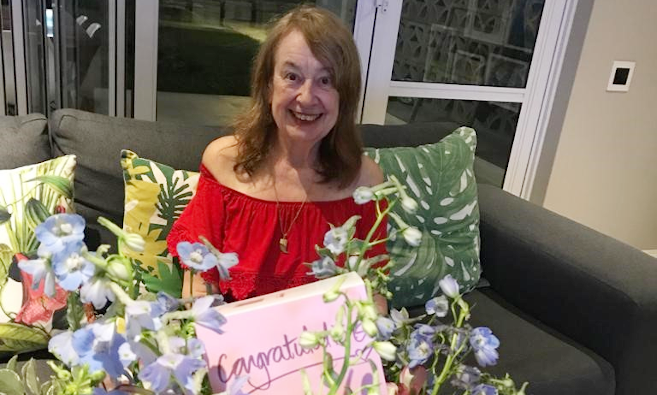
Dr Mary de Haas Biography
Dr Mary de Haas is a distinguished South African anthropologist and human rights activist, best known for her decades-long work documenting political violence in KwaZulu-Natal. Her life story is one of academic dedication, moral courage, and deep commitment to social justice. In this comprehensive biography, we explore her early life, education, career, family background, achievements, and lasting legacy.
Dr Mary de Haas Early Life and Family Background
Information about Mary de Haas’s early life and upbringing is relatively private, with few public sources detailing her childhood or family origins. What is clear, from her career and public testimony, is her deep exposure to social inequalities, especially during South Africa’s turbulent political era. According to biography sites, this exposure to marginalised communities would later fuel her work as a social scientist and human rights advocate.
Although her precise family background (parents, siblings) is not widely documented in public sources, Mary de Haas’s early experiences appear to have shaped a strong social conscience. Her empathy towards vulnerable groups and her drive to document violence emerged from a personal understanding of inequality, as her biography suggests.
Dr Mary de Haas Education & Qualifications
Mary de Haas is academically well qualified. Her core academic credentials include:
-
Master of Social Science (MSocSci) in Anthropology, cum laude, from the University of Natal (now the University of KwaZulu-Natal, UKZN).
-
She is also a registered social worker, which adds a practical dimension to her academic grounding in anthropology.
-
In recognition of her lifetime of activism and scholarship, she was awarded an Honorary Doctor of Laws (LLD) by Rhodes University.
Notably, although she once planned to do a PhD (took a sabbatical in 1994 to write one), she ultimately did not complete it. As she later reflected, the constant demands of violence-monitoring work, personal loss, and activism made it too difficult to pursue a doctoral dissertation.
Dr Mary de Haas Family & Personal Background
-
Mary de Haas Age: She was born in 1943, which would make her around 82 years old as of 2025.
-
Family: There is limited publicly available information about her immediate family such as spouse or children. Her biographical profiles do not prominently mention a husband, children, or detailed family lineage.
-
Academic Role at UKZN: De Haas served in academia for many years, including as a Senior Lecturer and Programme Director in Social Anthropology at the University of Natal (which later merged into UKZN). She retired in 2002.
-
Current Status at UKZN: According to UKZN, her formal affiliation is as an Honorary Research Fellow in the School of Law, but she is not employed by the university and does not hold a professorship there.
Dr Mary de Haas Career & Activism
Academic Career
Mary de Haas’s academic journey in social anthropology laid a strong foundation for her later work. She lectured for many years, helping to shape a generation of students, and directed academic programs in social anthropology.
During her time at the university, her research interests included African marriage and divorce, traditional leadership, ethnic identity, policing, and social violence.
Human Rights & Violence Monitoring
De Haas became particularly known for her documentation of political violence in KwaZulu-Natal, especially during and after apartheid. She worked closely with communities, NGOs, and legal bodies to monitor, record, and report incidents of violence, intimidation, and human rights abuses.
Her work has been so influential that she has submitted detailed reports and affidavits, and participated in commissions and inquiries as an expert witness. For example, she testified publicly during a parliamentary ad hoc committee investigating the controversial Political Killings Task Team (PKTT).
In her 2025 testimony before Parliament, she expressed deep concerns over alleged torture, abuse, fabrication of evidence, and lack of transparency within the PKTT. She spoke of families who claimed that their relatives had been pressured into giving false statements, and she strongly criticised opaque task team operations.
Founding Member of MeRAN
Mary de Haas is a founding member of the Medical Rights Advocacy Network (MeRAN), an organisation that advocates for patients’ rights and medical ethics.
Recognition & Honorary Doctorate
In 2021, Rhodes University awarded her an honorary Doctor of Laws (LLD) in recognition of her lifelong activism and work in violence research and human rights.
At the ceremony, she said that she never set out to be a violence researcher; her original academic interest was anthropology, but her field work and direct engagement with communities exposed her to the depths of political violence.
Dr Mary de Haas Achievements & Impact
Mary de Haas’s contributions to social science and human rights are profound and multi-faceted:
-
Violence Documentation
Her decades-long monitoring of political violence in KwaZulu-Natal has made her one of South Africa’s most respected violence researchers. Her data, reports, and testimonies have informed public debate, parliamentary inquiries, and legal processes. -
Academic Influence
As a lecturer and programme director in social anthropology, she shaped academic discourse around social dynamics, ethnicity, and conflict. Her work bridged academic theory and real-world activism. -
Policy and Legal Influence
Through her expert testimonies (such as in parliamentary committees), de Haas has played a role in influencing how law enforcement and policy makers understand political killings, policing, and accountability. -
Human Rights Advocacy
As a founding member of MeRAN, she has championed the rights of patients and engaged in health system advocacy. Her activism goes beyond violence research to include issues of dignity, ethics, and social justice in healthcare. -
Recognition
The honorary LLD from Rhodes University is a testament to her powerful impact. The award acknowledges her “unflinching commitment … lending her voice to those rendered voiceless by powerful and mighty.” -
Public Engagement
Even in her later years, she continues to be active in public discourse. Her recent (2025) parliamentary testimony shows that she remains a critical voice in national conversations on policing and political violence.
Mary de Haas Age
As noted, Mary de Haas was born in 1943, making her approximately 82 years old as of 2025. Her long career and continued engagement in activism demonstrate a lifetime committed to social justice, even beyond formal academic retirement.
Mary de Haas Family
Although Mary de Haas is a public figure, she has maintained a certain level of personal privacy. There is limited publicly available information on her immediate family (parents, spouse, children). Her biographical profiles focus more on her academic and activist life rather than personal family details.
In terms of institutional family, she has strong affiliation with UKZN (University of KwaZulu-Natal) and MeRAN, as well as connections to various non-governmental organisations in the human rights space.
Mary de Haas Qualifications
To recap, here is a summary of her key qualifications:
-
MSocSci in Anthropology (cum laude) from University of Natal / UKZN.
-
Registered Social Worker.
-
Honorary Doctor of Laws (LLD) from Rhodes University.
-
Extensive experience as Senior Lecturer and Programme Director in Social Anthropology at university level.
-
Honorary Research Fellow, School of Law, UKZN.
Conclusion
Dr Mary de Haas stands out as a powerful example of how scholarly rigor combined with deep moral conviction can fuel meaningful social change. Her life’s work — from academic anthropology to frontline violence monitoring — displays an unwavering commitment to justice, accountability, and human dignity.
Despite not pursuing a PhD to completion, she built a career based on real-world impact: educating students, researching political violence, testifying before authorities, and advocating for the marginalized. Her honorary doctorate from Rhodes University underscores the extraordinary nature of her contribution.
At around 82 years old, Mary de Haas continues to influence public discourse in South Africa. Her testimony on policing, political killings, and institutional abuse remains as relevant now as ever. As a founding member of MeRAN, she also champions health rights and medical ethics, proving that her passion for justice spans all aspects of society.
Through her teaching, her research, her activism, and her public engagement, Mary de Haas has left a legacy of moral courage and intellectual integrity. For anyone interested in human rights, social science, or the challenges of political violence, her biography is a powerful reminder of what one dedicated person can achieve.
FAQs
Q1: Who is Mary de Haas?
A1: Mary de Haas is a South African anthropologist, human rights activist, and violence researcher, best known for her long-term documentation of political violence in KwaZulu-Natal.
Q2: How old is Mary de Haas?
A2: Mary de Haas was born in 1943, making her about 82 years old as of 2025.
Q3: What are Mary de Haas’s qualifications?
A3: She holds a Master of Social Science (MSocSci) in Anthropology (cum laude) from the University of Natal / UKZN, is a registered social worker, and has received an honorary Doctor of Laws (LLD) from Rhodes University.
Q4: What has Mary de Haas achieved?
A4: Her achievements include decades of violence monitoring in KwaZulu-Natal, expert testimonies in commissions and parliamentary committees, founding membership of the Medical Rights Advocacy Network (MeRAN), and public recognition for her human rights work.
Q5: What is Mary de Haas’s family background?
A5: Public information about her immediate family (parents, spouse, children) is limited. Biographies focus more on her academic and activist career rather than personal family details.
Q6: What roles did she have at UKZN?
A6: She was a Senior Lecturer and Programme Director in Social Anthropology until her retirement in 2002. Currently, she is an Honorary Research Fellow in the School of Law at UKZN (non-employment role).